M.Tech. (Online) in Sustainable Energy Technologies

Sustainable Energy Engineering

The vision of this program is to provide rigorous, future-ready postgraduate training in renewable energy and sustainable technologies. It aims to build an ecosystem that fosters innovation, technology development, and industry-relevant solutions for the energy sector. By combining academic depth with practical application, the program directly supports India's clean energy transition and long-term sustainability goals. The curriculum offers a comprehensive coverage of major areas such as solar photovoltaics, wind and hydro power, hydrogen energy systems, batteries and energy storage, carbon capture, smart grids, critical minerals, and electric vehicle technologies. Designed for both recent graduates and working professionals, the program equips participants with the expertise and applied skills required to apply renewable energy solutions in real-world contexts and explore opportunities in this rapidly growing sector.

Banner Renewable Energy
Message from the Department

Curriculum Template

Programme Curriculum
Total Credits
144
9 credits/course
Core Courses
12
108 credits
Project
1
36 credits

Courses Offered

Project Credits: 36
Project
SEE901E
Core Credits: 9
An Overview of Energy Sustainability and Policies
Prerequisites: None
SEE902E
Core Credits: 9
Energy Systems: Modelling and Analysis
Prerequisites: None
SEE903E
Core Credits: 9
Structure and Characterization of Materials
Prerequisites: None
SEE904E
Core Credits: 9
Wind and Hydro Energy
Prerequisites: None
SEE905E
Core Credits: 9
Energy storage: Materials, Devices and Manufacturing
Prerequisites: None
SEE906E
Core Credits: 9
Solar Photovoltaics: Materials, Devices and Manufacturing
Prerequisites: None
SEE907E
Core Credits: 9
Hydrogen Energy Systems: Fundamentals, Applications, and Manufacturing
Prerequisites: None
SEE908E
Core Credits: 9
Carbon Capture, Utilization and Storage
Prerequisites: None
SEE909E
Core Credits: 9
Electric Vehicle Technologies
Prerequisites: None
SEE910E
Core Credits: 9
Smart Grid
Prerequisites: None
SEE911E
Core Credits: 9
Critical Minerals for Sustainable Energy Systems: Extraction, Processing, and Recycling
Prerequisites: None
SEE912E
Core Credits: 9
Economics, Finance, and Policy for the Energy Transition
Prerequisites: Basic e ngineering mathematics (algebra/graphs) and comfort working w ith formulas. Basic familiarity with spreadsheets (Excel/Sheets) helpful but not mandatory.

Eligibility Criteria

  • Minimum CPI 5.5 or 55% marks in the qualifying degree

  • A valid score above department-stated cut-off in approved national-level exams as applicable to the program discipline (GATE)

or

  • B.Tech./B.E.: Chemical, Electrical, Energy, Materials, Mechanical, Aerospace, and other relevant branches.
  • M.Sc.: Chemistry, Physics (Must have passed mathematics as a compulsory course at the UG level.)
  • Selection through an interview

  • Professionals with over 5 years of relevant experience as defined by the concerned department.
  • Applicants with valid national-level test scores above the department-specified cut off.
  • Candidates nominated* by Government/Defence/recognized organizations

* Note: Nominated includes sponsored candidates.

Program Fee

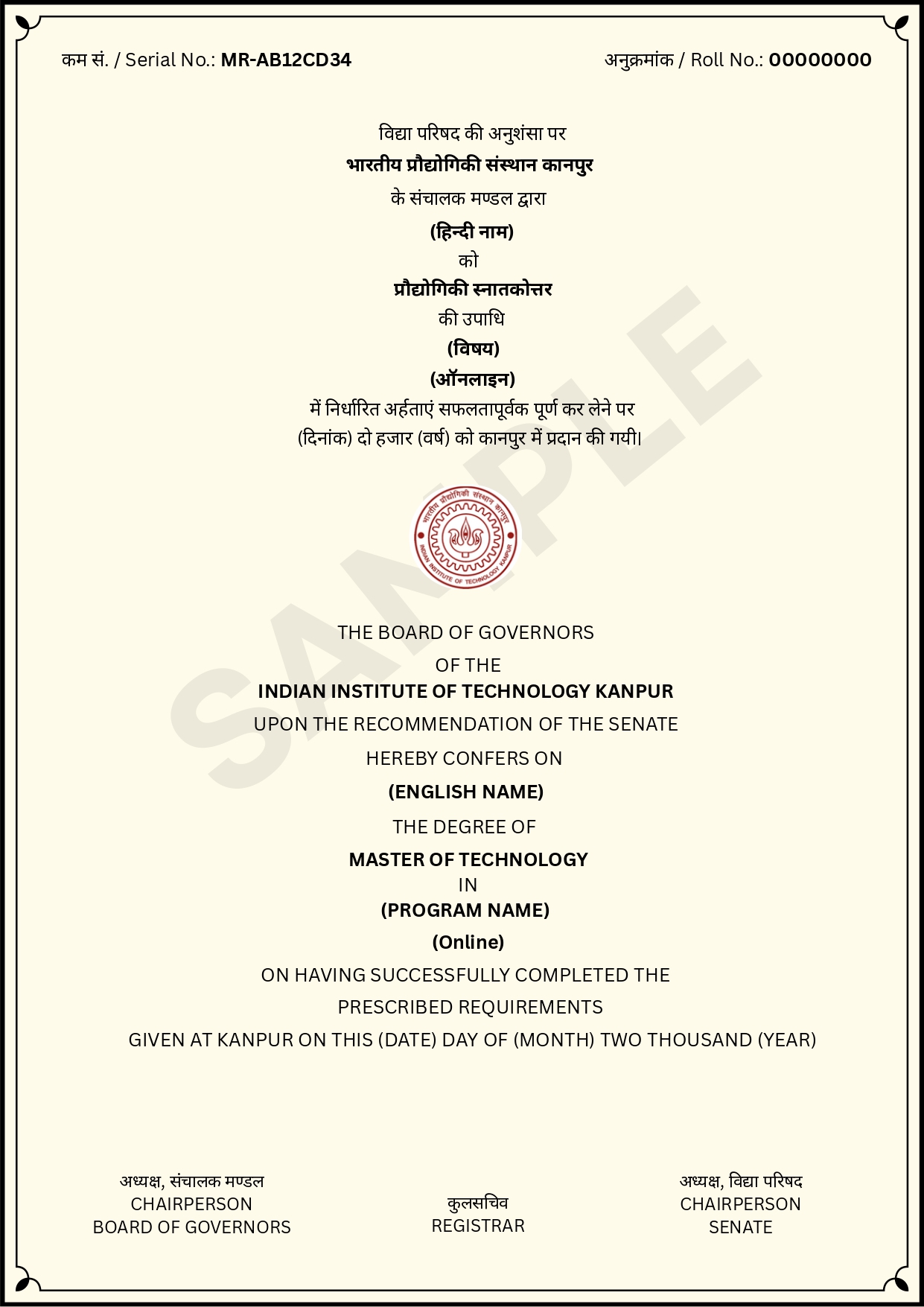
Certificate Format

degree format Click to enlarge

Instructors

Dr. Prabodh Bajpai
Research Interest:

Renewable Energy Systems, Power System Restructuring, Electricity Markets, Power System Control and Analysis
Dr. Laltu Chandra
Research Interest:

Heat Transfer and Fluid Flow, Turbulence Modelling, Solar Thermal Sub-System Design
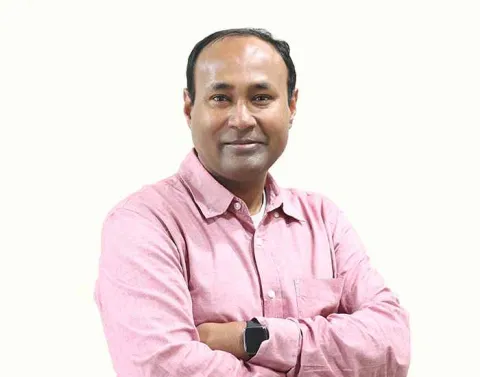
Dr. Ashoke De
Research Interest:

High Speed Flows and Aeroacoustics, Fluid Structure Interaction, Multiphase Modelling, Turbulence Modelling, Energy Harvesting Systems
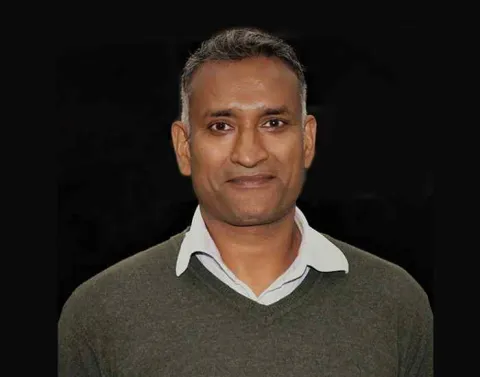
Dr. Ashish Garg
Research Interest:

Solar Photovoltaics, Recycling, Materials and Devices, Decarbonisation
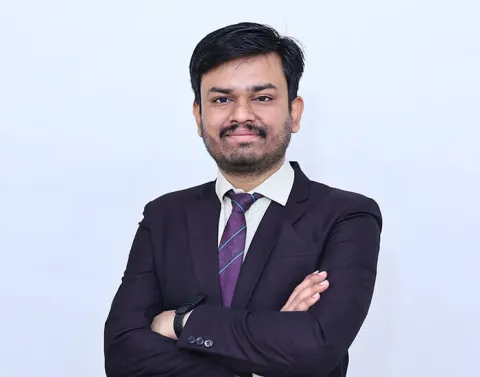
Dr. Arunabh Meshram
Research Interest:

Recovery of Valuable Products, Industrial Waste Management, Electronic Waste Recycling
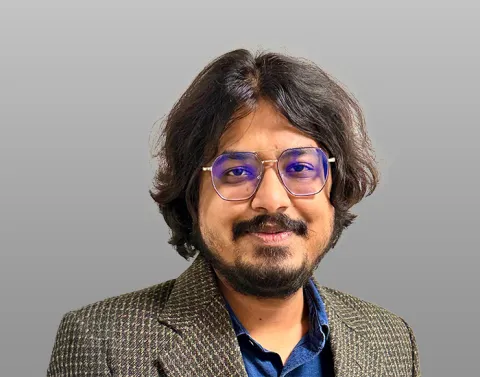
Dr. Sayan Kar
Research Interest:

Carbon Capture, CO2 Utilization, Energy Materials

Dr. Amarendra Edpuganti
Research Interest:

Electric Vehicles, Fuel Cell Applications, Renewable Energy Integration
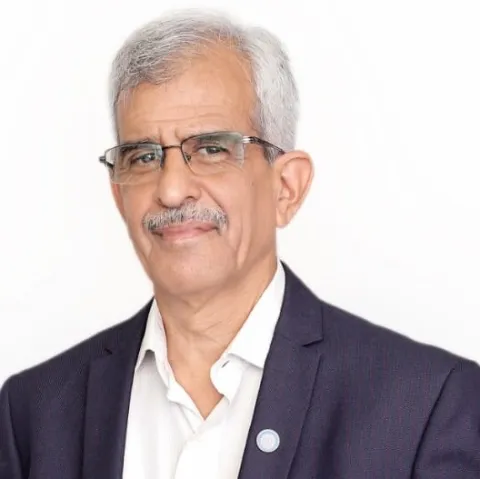
Mr. Indu Shekhar Chaturvedi
Research Interest:

Renewable Energy, Environmental Governance, Economic Policy, Sustainability
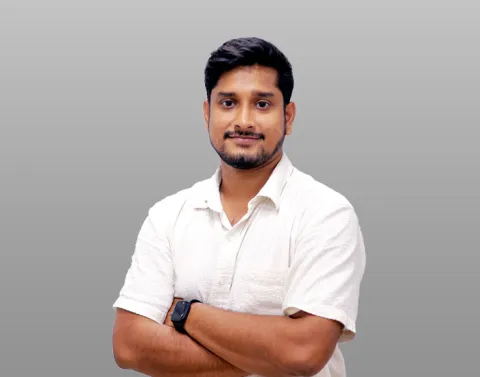
Dr. Soumyabrata Roy
Research Interest:

Carbon Capture and Utilization, Functional Materials, Processes & Circularity
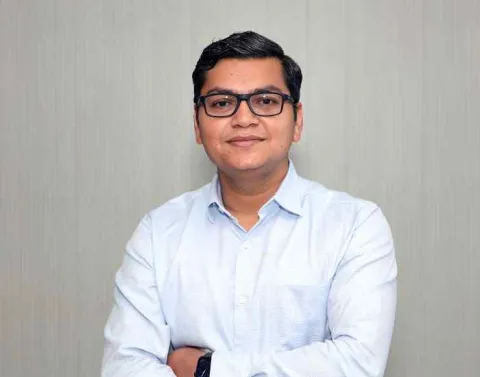
Dr. Raju Kumar Gupta
Research Interest:

Wastewater Remediation, Desalination, Perovskite Solar Cells, Carbon Capture & Utilization, Green Ammonia, Energy Storage Based on Na-Ion Batteries
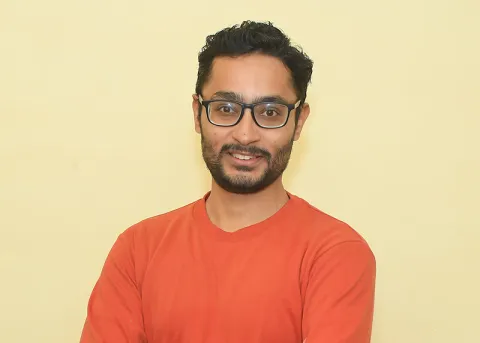
Dr. Shikhar Misra
Research Interest:

Ceramic Nanocomposites for Microelectronics, Optics, and Energy Applications; Machine learning for Materials Database Mining & Structural Refining
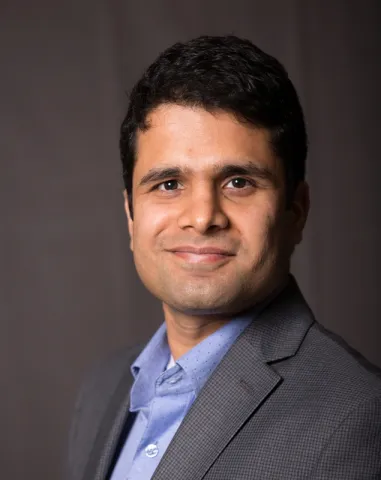
Dr. Lalit M. Pant
Research Interest:

Electrochemical Energy Conversion and Storage, Numerical Modelling, Porous Media Transport, Green Hydrogen
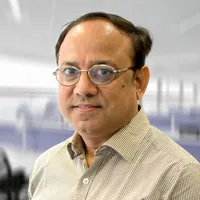
Dr. Sheo Shankar Rai
Research Interest:

Sustainable Resource Development, Digital Mining, Critical Minerals for Energy, Impact Assessment, Mining Policy
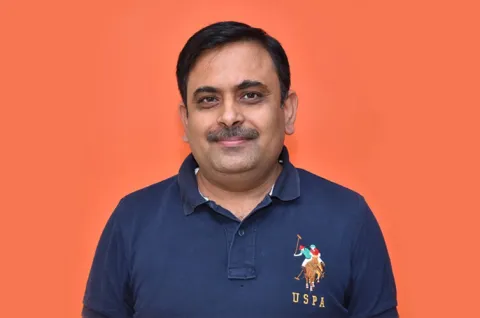
Dr. Ankush Sharma
Research Interest:

Power Systems, Renewable Integration, Smart Grids, IT in Power Systems, Wide Area Monitoring, Energy Markets
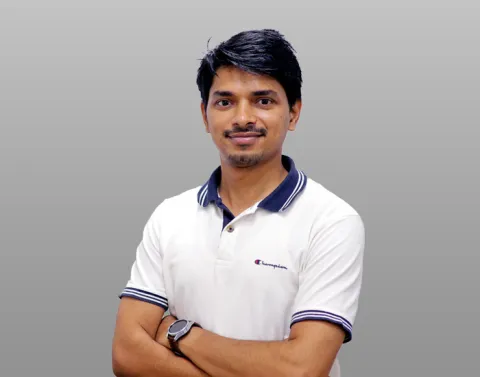
Dr. Vivek Verma
Research Interest:

E-Waste Material Recovery/Recycling, Sustainable Battery Materials
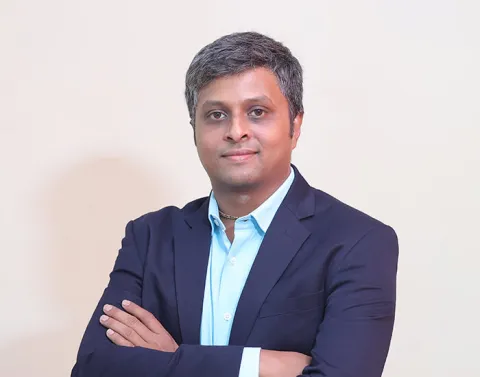
Dr. Gururaj Mirle Vishwanath
Research Interest:

Renewable Energy Integration, Microgrids, EV-Grid Interaction, ML Applications to Power Systems
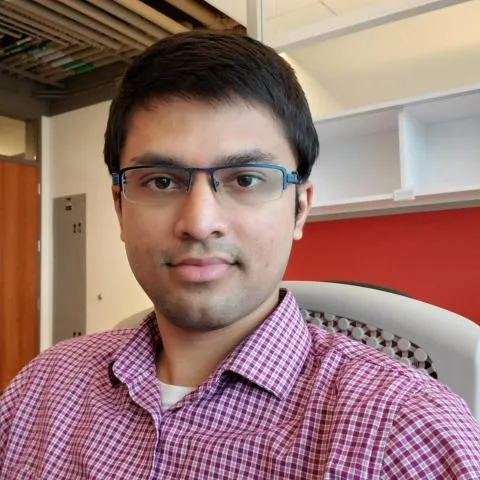
Dr. Srinivas K. Yadavalli
Research Interest:

Halide Perovskites, Solar Cells, Multi- Junction Photoelectrodes for Green Hydrogen, Photovoltaic Recycling
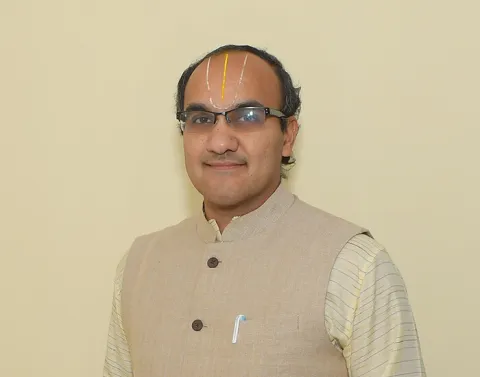
Dr. Sudarshan Nrayanan
Research Interest:

Energy Storage Devices, Thin Films for Energy Conversion, Building Integrated Photovoltaics
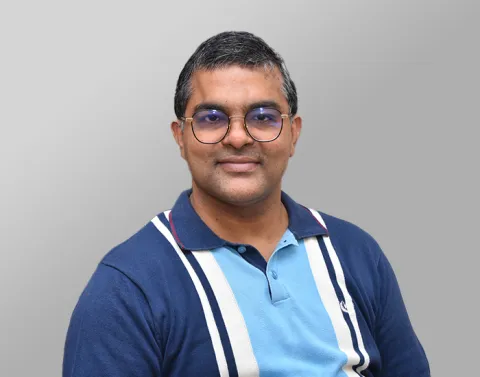
Dr. Vimal Kumar
Research Interest:

Political Economics, Game Theory

Program FAQ

General Questions

Anyone with a relevant bachelor's degree and minimum 55% marks or 5.5 CPI can apply. Specializations vary across departments but are designed to be interdisciplinary and industry-relevant, with electives across domains.

You can complete the program in 2 to 4 years, at a self-paced schedule.

The total fee is approximately ₹9.33 lakhs, including course, exam, and trimester fees.

Yes. You can pursue either a research (thesis) track or an industry-oriented (project) track. Depending on the department.


Questions for Career and Alumni

Yes. Graduates of these programs become part of the prestigious IIT Kanpur alumni network — a global community of innovators and leaders.

They offer industry-relevant curriculum, flexible learning, and credentials from one of India’s top institutes — helping boost both technical expertise and career growth.